Cambodia
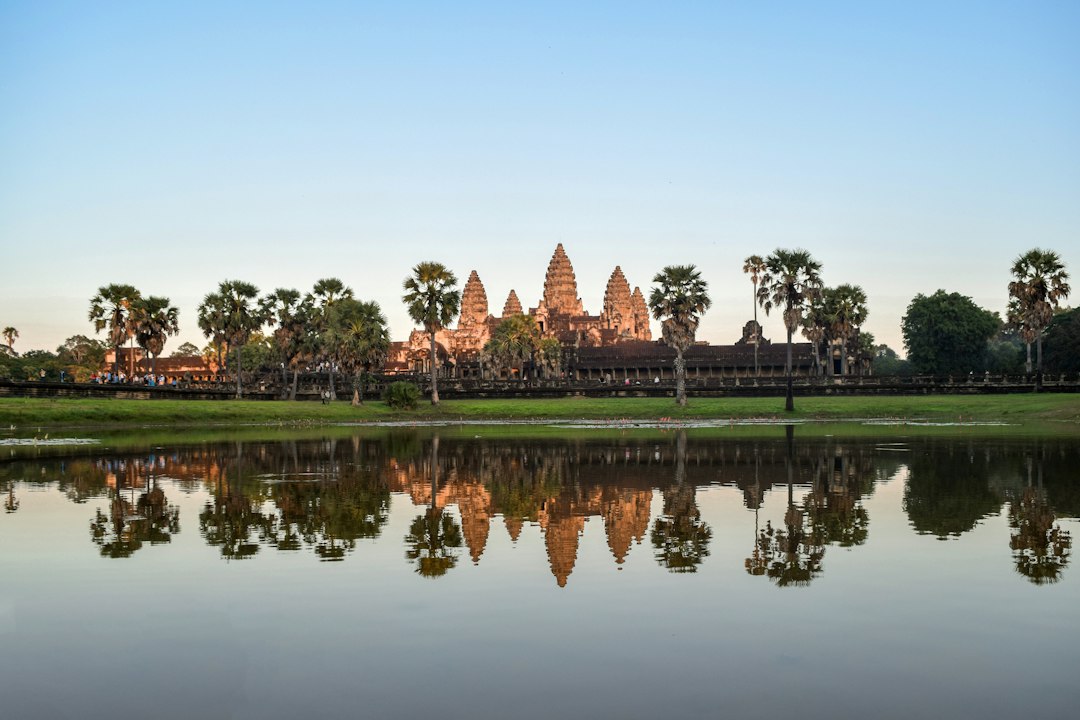
Cambodia’s world-famous Angkor temples are only one chapter of its story. The country is also home to the flavors of Khmer cooking, river and lake communities, traditional arts and a growing curiosity about local sports. From bustling Phnom Penh to Siem Reap and the Tonlé Sap region, its food and heritage reward visitors who look beyond a single postcard view.
Key Facts
Travel Info
Capital: Phnom Penh
Location: Mainland Southeast Asia, bordered by Thailand, Laos and Vietnam, with a Gulf of Thailand coast.
Climate: Tropical monsoon conditions, with a wetter season broadly May–October and a drier season broadly November–April.
Airports: Major international gateways serve the Phnom Penh and Siem Reap regions; confirm the currently operating airport and code when booking, as facilities and routes have changed.
Attractions: Angkor Archaeological Park, Phnom Penh’s Royal Palace area, Tonlé Sap, Battambang and coastal Kampot.
Practical note: Check official temple access rules, religious-site etiquette, transport and current travel advisories.
Cultural Info
Greeting: Chum reap suor is a polite Khmer greeting, often accompanied by the sampeah gesture.
Official language: Khmer.
Currency: Cambodian riel (KHR); US dollars may also be used in some transactions.
Sports: Football is popular; traditional Khmer martial arts include kun bokator.
Cultural heritage: Classical Khmer dance, traditional arts and the history of Angkor.
Notable cultural figures: Sinn Sisamouth (singer) and Vann Molyvann (architect).
Economic Info
Economic sectors: Manufacturing, agriculture, tourism and services contribute substantially.
Exports: Garments, footwear and travel goods are notable exports.
Population and GDP: Use the latest dated World Bank Cambodia indicators.
Data changes over time; verify publication-year statistics and travel regulations before posting.
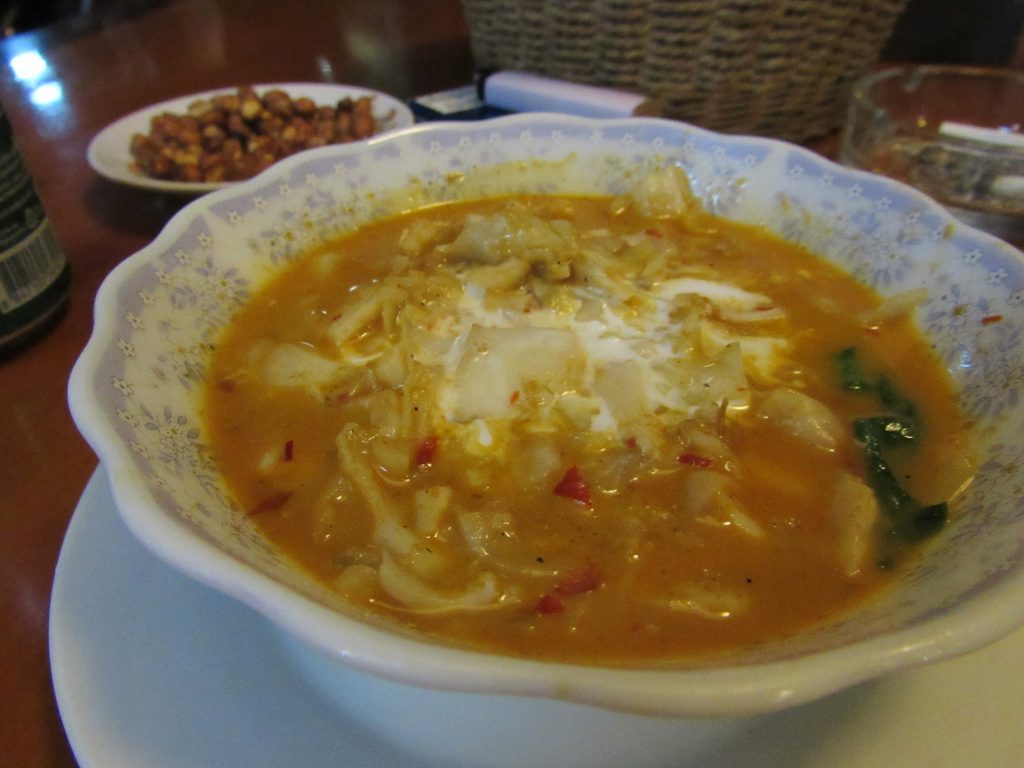
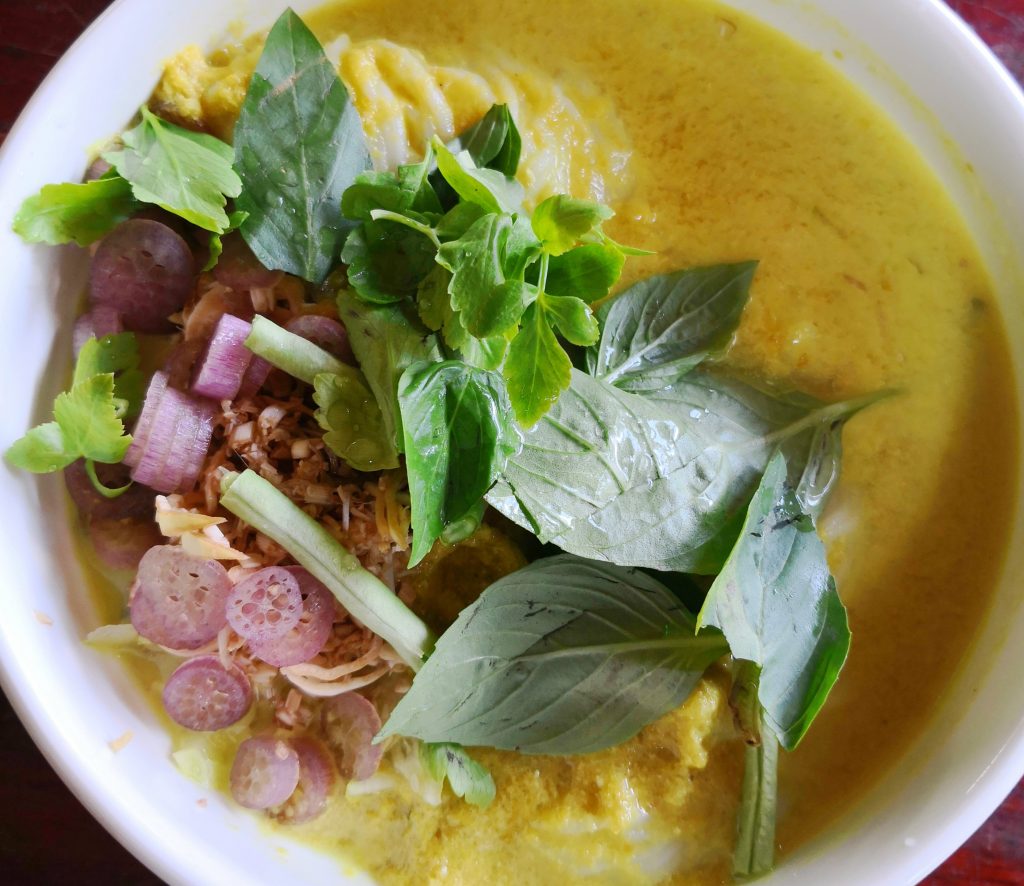
Discover Cambodia’s Food
Top Grub: Amok trey. A fragrant Khmer fish preparation associated with a coconut and kroeung (herb-and-spice paste) mixture; steamed and curry-style versions appear.
Try This Grub: Nom banh chok. Rice noodles traditionally served with a savory fish-based green gravy, herbs and fresh vegetables; regional styles differ.
More to taste. Beef lok lak, grilled freshwater fish and various rice dishes that showcase Khmer herbs.
Popular beverages. Iced coffee, fresh sugarcane juice and fruit drinks.
Where to Grub
Seek independently run local eateries, food markets and community recommendations to understand regional cooking. Confirm opening hours and dietary ingredients before visiting; we have not presented unverified restaurants as personally reviewed establishments.
Sports and Local Identity
Football attracts supporters, while kun bokator is a traditional martial art with deep historical associations. UNESCO added Cambodia’s kun lbokator to its intangible cultural heritage list in 2022. A visitor interested in sports history can connect physical traditions with music, ceremony and Khmer identity.
The GrubPassport Cultural Discovery
A restaurant menu will tell you what amok contains, but the use of kroeung hints at something more: aromatic pastes and herb combinations form part of a culinary language shared, adapted and handed down over generations. That is a story worth asking cooks about.
The GrubPassport Question: Would you explore Cambodia first through Angkor’s architecture, Khmer noodle stalls, or a traditional martial arts demonstration?
Photo credits: Main landmark: daylight view of Angkor Wat and its reflecting pool — Pou Neang (Unsplash). Food gallery: Cambodian fish amok — Marie, Wikimedia Commons, CC BY-SA 2.0; num banh chok noodles — Thomas Wanhoff, Wikimedia Commons. See source file for license terms.
Research sources: UNESCO Angkor · UNESCO kun lbokator · World Bank Cambodia · Cambodia tourism.
Editorial disclosure: This is a researched cultural and travel profile, not a firsthand report. Facts, routes, and venues may change; always check local conditions. Images are sourced from Unsplash and credited above.