Oman
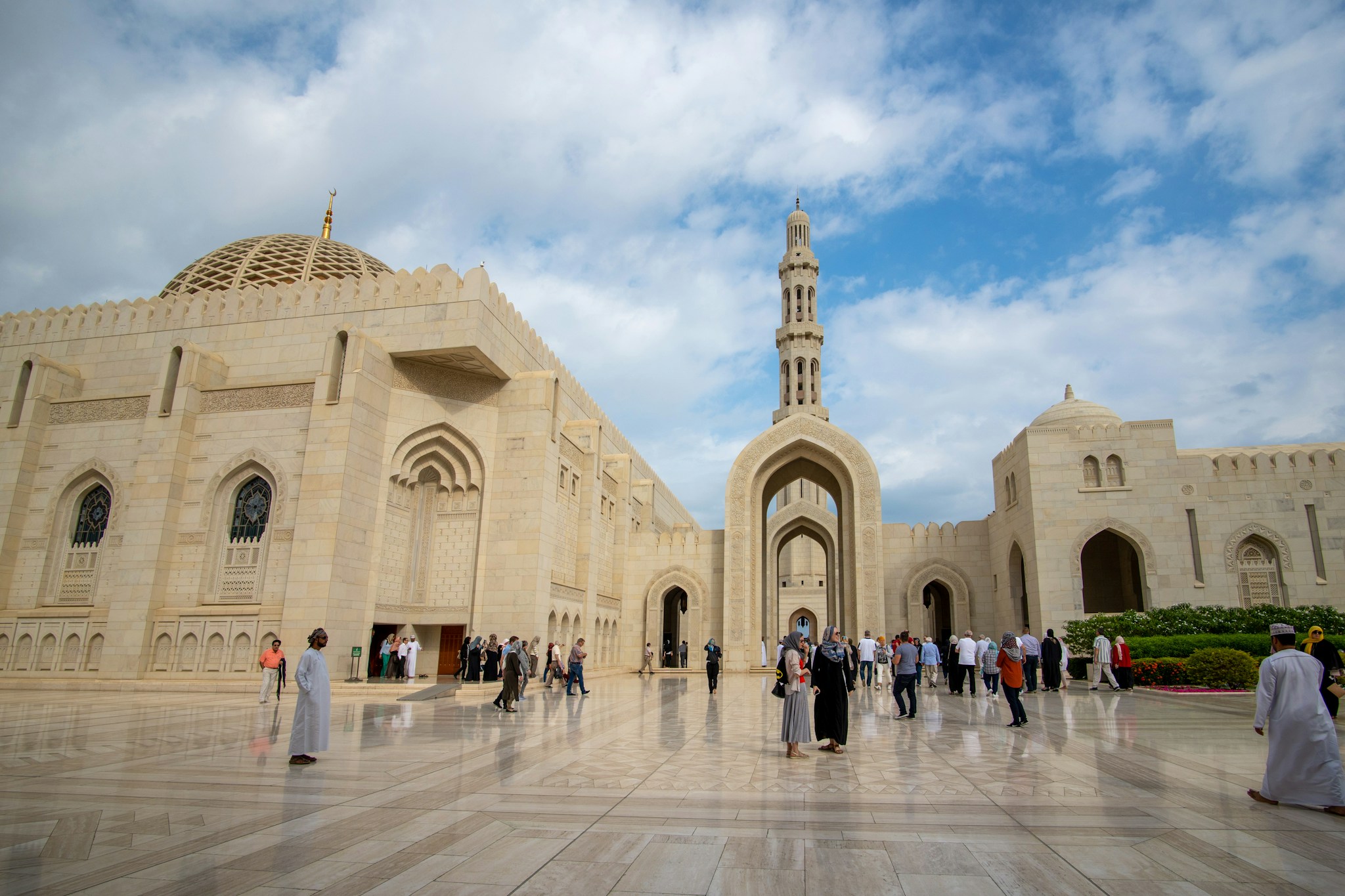
Oman combines a dramatic Arabian coastline, mountains, desert landscapes and a culture of generosity. Muscat’s Sultan Qaboos Grand Mosque is a memorable introduction, while fragrant rice dishes and Omani halwa capture an important side of the country’s hospitality.
Key Facts
Travel and Culture
Capital: Muscat
Climate: Hot and generally arid, with regional differences on the coast, in mountains and around Salalah
Main airport: Muscat International Airport (MCT)
Key attractions: Sultan Qaboos Grand Mosque, Nizwa Fort, Wadi Shab, Wahiba Sands and Dhofar
Language and greeting: Arabic is official; marhaba means hello
Currency: Omani rial (OMR)
Sports: Football, camel racing and traditional sports
Economy: Energy, logistics, tourism, manufacturing and fisheries
Population / GDP per capita: See the latest dated figures from World Bank data.
Iconic Grub
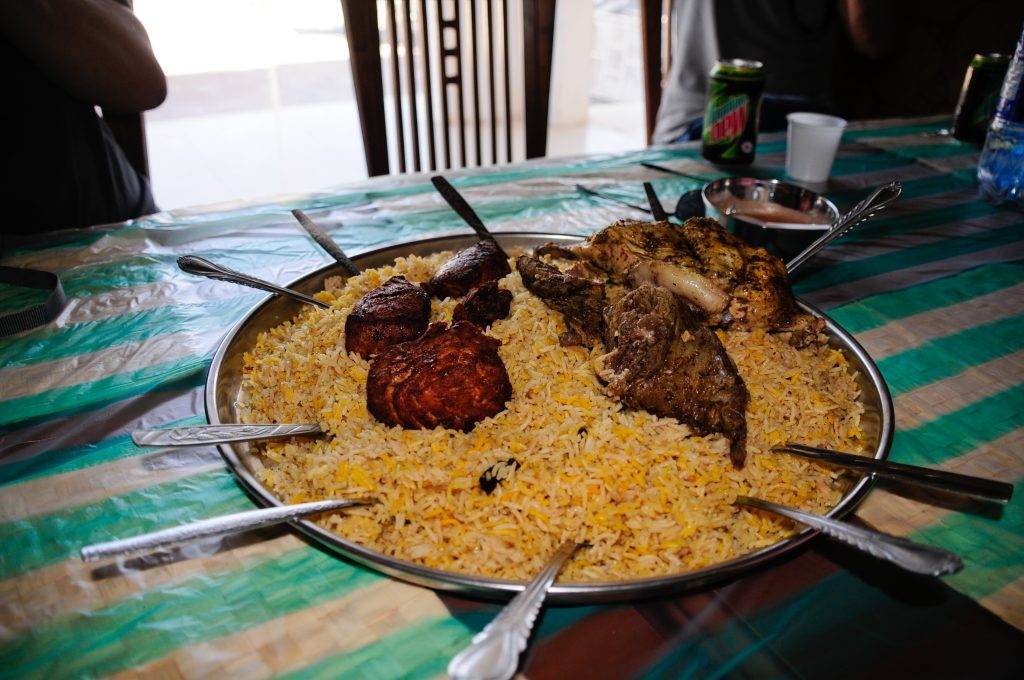
Top Grub: Traditional Omani Rice and Meat: Richly seasoned rice dishes are common at gatherings. Shuwa is traditionally slow-cooked meat prepared for celebrations; machboos is another well-known rice dish.
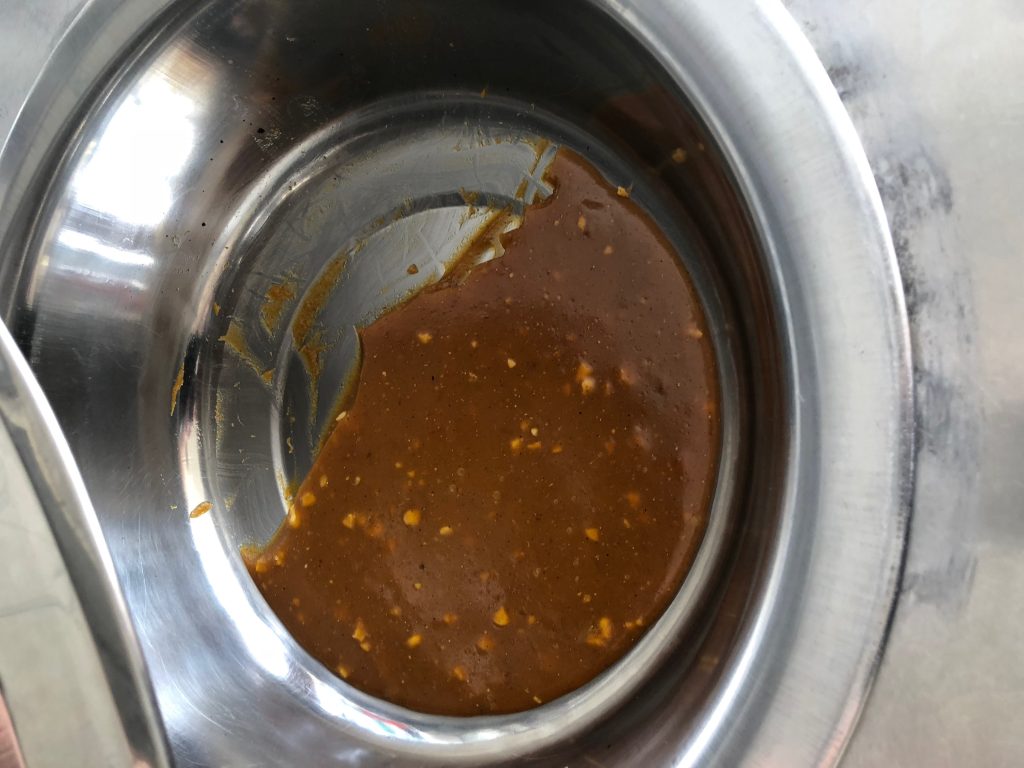
Try This Grub: Omani Halwa: Sweet saffron-scented halwa is often served to guests alongside aromatic Omani coffee.
Also to taste: Grilled fish, dates and regional dishes differ across Oman.
Where to Grub
Discover traditional dishes through established local restaurants, markets and community recommendations. Verify current venue details and dietary ingredients before visiting.
Sports and Culture
Football has a passionate following in Oman. National and club matches connect local supporters, while traditional sports such as camel racing reflect another dimension of Omani heritage.
GrubPassport Cultural Discovery
The grand mosque is a fitting landmark, but the ritual of sharing halwa and coffee tells an equally revealing story of hospitality.
The GrubPassport Question: Muscat’s architecture, a festive Omani meal or the mountains of Jebel Akhdar?
Image credits and license information: Sultan Qaboos Grand Mosque: journaway Rundreisen (Unsplash); Traditional Omani Food: Erkan Pinar (CC BY 2.0); Omani Halwa with saffron: Slywire (CC BY-SA 4.0). CC BY 2.0 · CC BY-SA 4.0 · CC0. Creative Commons images may be copyrighted but licensed for commercial reuse subject to attribution and, when applicable, share-alike requirements. Check source pages before modifying or publishing.
Sources: UNESCO · World Bank. Research-based country guide, not firsthand travel reporting; check current travel conditions before publishing.