Bolivia
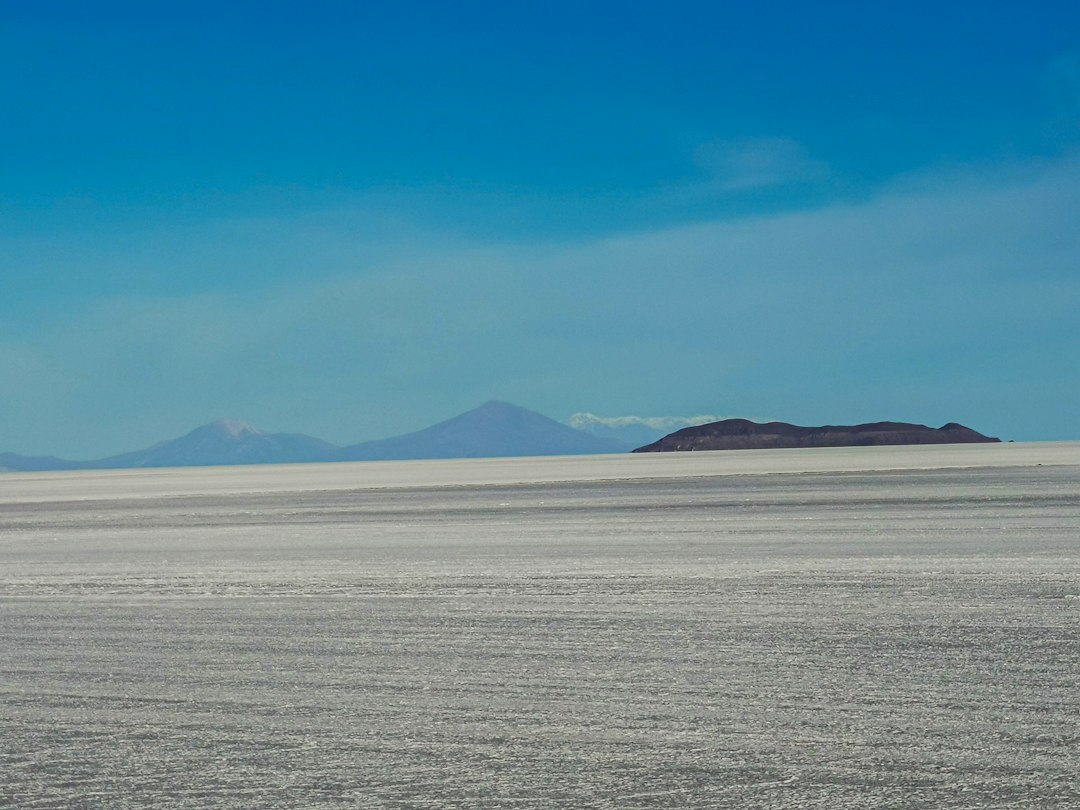
Bolivia’s Salar de Uyuni is a dramatic natural wonder, but the country’s many highland and lowland cultures offer far more to explore. In the food stalls and family kitchens of Sucre, La Paz and Cochabamba, saltenas, pique macho and regional dishes tell the story of a remarkable country.
Key Facts
Travel Info
Constitutional capital: Sucre; La Paz is the seat of government
Location: Landlocked South America
Climate: From cold Andean highlands to tropical lowlands; seasonal conditions vary widely
Major airports: Viru Viru (VVI) near Santa Cruz and El Alto (LPB) serving La Paz
Attractions: Salar de Uyuni, historic Sucre, Lake Titicaca and Tiwanaku
Travel note: Allow time for altitude adjustment and check seasonal salt-flat and road conditions
Cultural Info
Greeting: Hola is common in Spanish; Indigenous languages have their own greetings
Languages: Spanish, Quechua, Aymara and many other Indigenous languages have official status
Football nickname: La Verde
Sports: Football is popular, including high-altitude matches in La Paz
Cultural identity: Aymara and Quechua heritage, weaving, music and diverse regional traditions
Economic Info
Currency: Boliviano (BOB)
Economy: Mining, natural gas, agriculture and services
Exports: Minerals, energy products and agricultural goods
Population and GDP per capita: Use the latest dated figures at World Bank Bolivia; figures and rankings change.
Iconic Grub
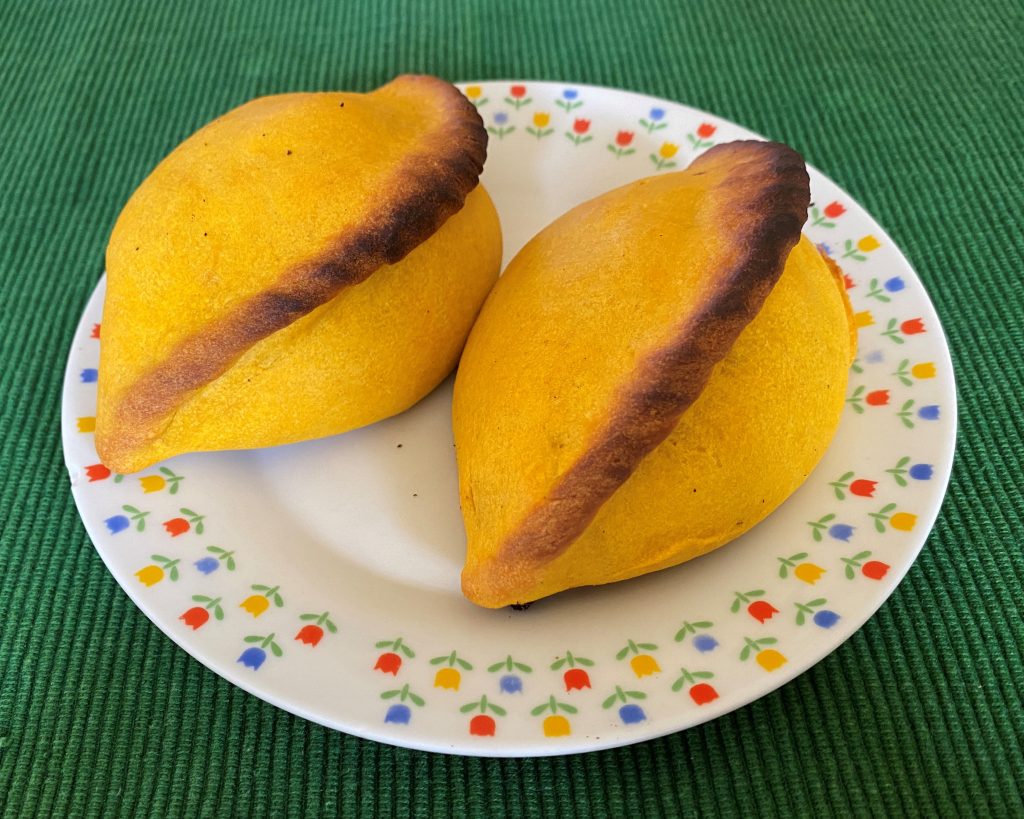
Top Grub: Saltenas: Baked pastries filled with juicy seasoned meat or chicken, vegetables and sauce; popular as a morning snack
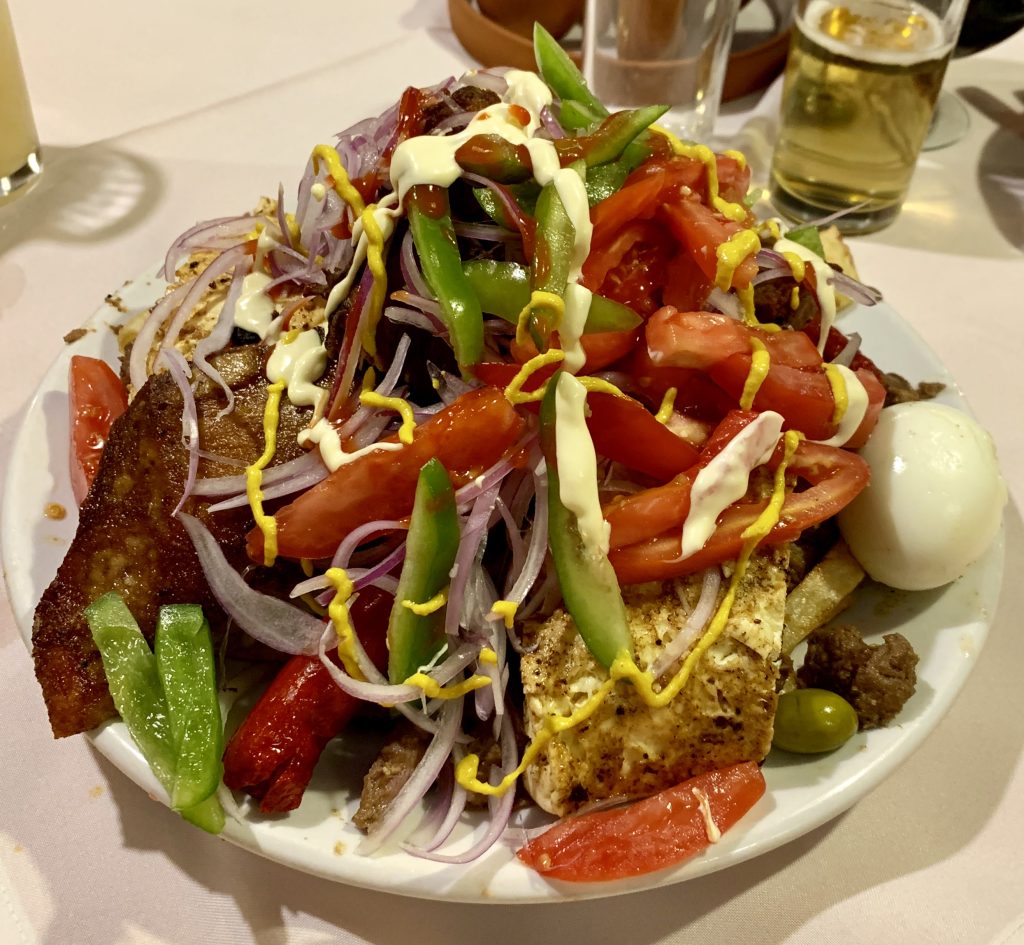
Try This Grub: Pique Macho: A Cochabamba specialty combining beef, sausage, fries and toppings such as peppers, onions and eggs
More to taste: Silpancho and sopa de mani, a peanut soup
Popular Beverage: Api morado, a warm purple-corn drink
Where to Grub
Explore local markets and family-run restaurants for dishes described above. Ask for regional specialties, check current hours and menus, and never mistake a researched recommendation for a firsthand review.
Sports and Culture
Bolivia qualified for the men’s FIFA World Cup in 1994. Football in the country’s high-altitude cities has become a distinctive element of its sporting identity.
GrubPassport Cultural Discovery
Uyuni gives Bolivia its postcard moment; saltenas and pique macho remind travelers that different regions have their own culinary personalities.
The GrubPassport Question: Salar de Uyuni, saltenas in Sucre or a football match in La Paz?
Photograph credits: Salar de Uyuni: Florian Delee (Unsplash). Salteñas: EEJCC (CC BY-SA 4.0); pique macho: MollySVH (CC BY 2.0), Wikimedia Commons.
Further research: UNESCO | Tiwanaku. World Bank statistics.
Research-based guide, not firsthand travel reporting. Verify travel details and dated figures before publishing. Photos used under their source license terms.