Tunisia
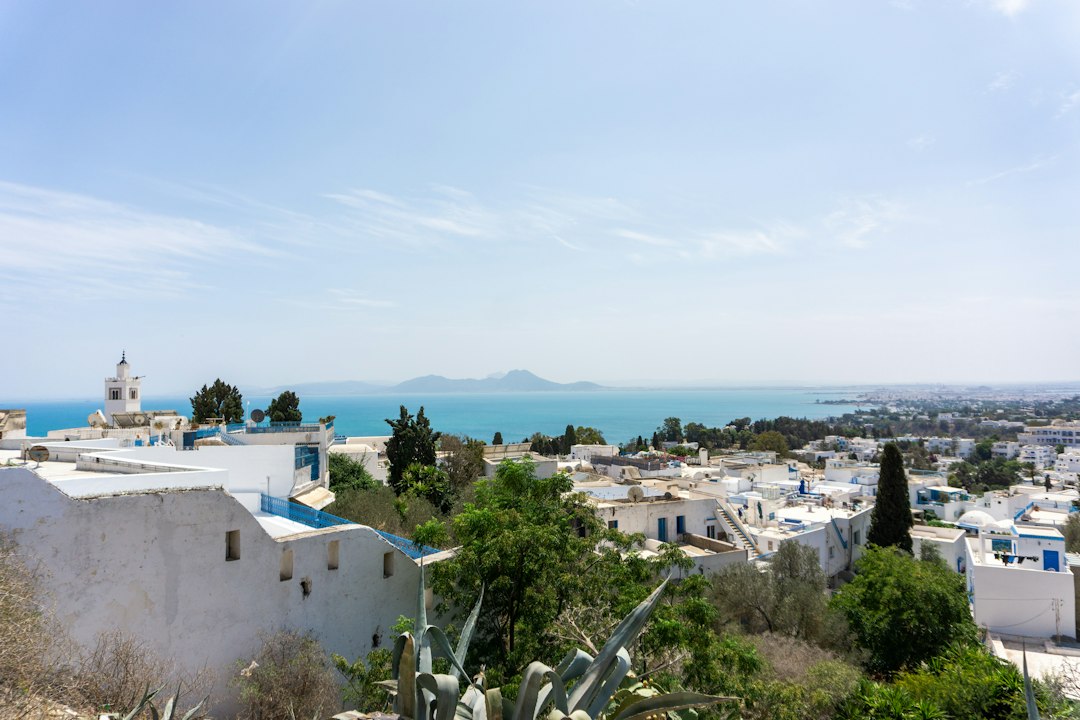
Tunisia connects the Mediterranean coast, historic trading cities and the Sahara. In the blue-and-white streets of Sidi Bou Said and the ancient remains of Carthage, visitors find layers of North African history. At the table, couscous, brik and harissa reveal a cuisine shaped by geography, family traditions and a love of bold flavor. Football completes another side of the GrubPassport story.
Key Facts
Travel Info
Capital: Tunis
Location: North Africa on the Mediterranean Sea, bordered by Algeria and Libya.
Climate: Mediterranean in the north and along much of the coast; increasingly arid toward the south and Sahara.
Main international airport: Tunis–Carthage International Airport (TUN); other airports serve tourism regions.
Major attractions: Carthage, the Medina of Tunis, Sidi Bou Said, the amphitheatre of El Jem and southern oasis/desert landscapes.
Practical note: Check current entry rules, local transport, weather and official travel guidance; some border and remote areas may require special caution.
Cultural Info
Greeting: Aslema — a common Tunisian Arabic greeting.
Official language: Arabic; Tunisian Arabic is widely spoken, and French is commonly used.
National football team: Tunisia, known as the Eagles of Carthage.
Notable athletes: Ons Jabeur (tennis) and Oussama Mellouli (swimming).
Notable cultural figures: Anouar Brahem (musician) and Claudia Cardinale (actor born in Tunis).
Culture: Medina markets, crafts, music, football and varied regional food traditions.
Economic Info
Currency: Tunisian dinar (TND).
Economy: Manufacturing, agriculture, tourism and services all contribute.
Exports: Manufactured goods, textiles and agricultural products including olive oil are prominent; rankings vary.
Population and GDP: Use year-labelled figures from the World Bank before publication.
Data changes over time; verify publication-year statistics and travel regulations before posting.
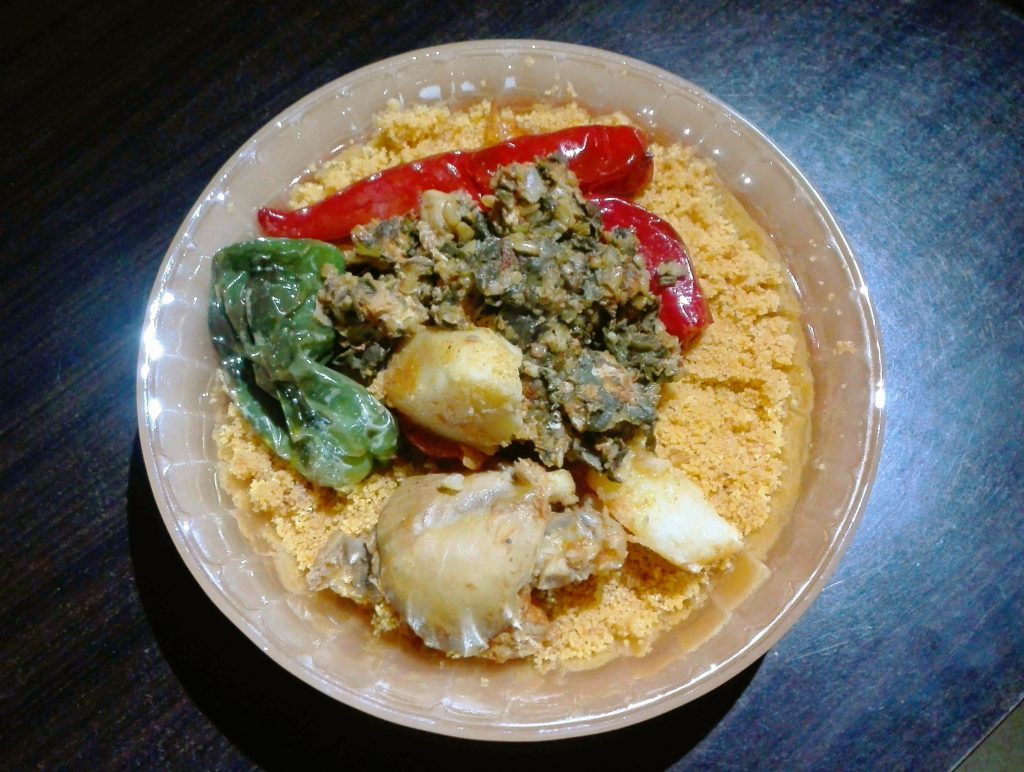
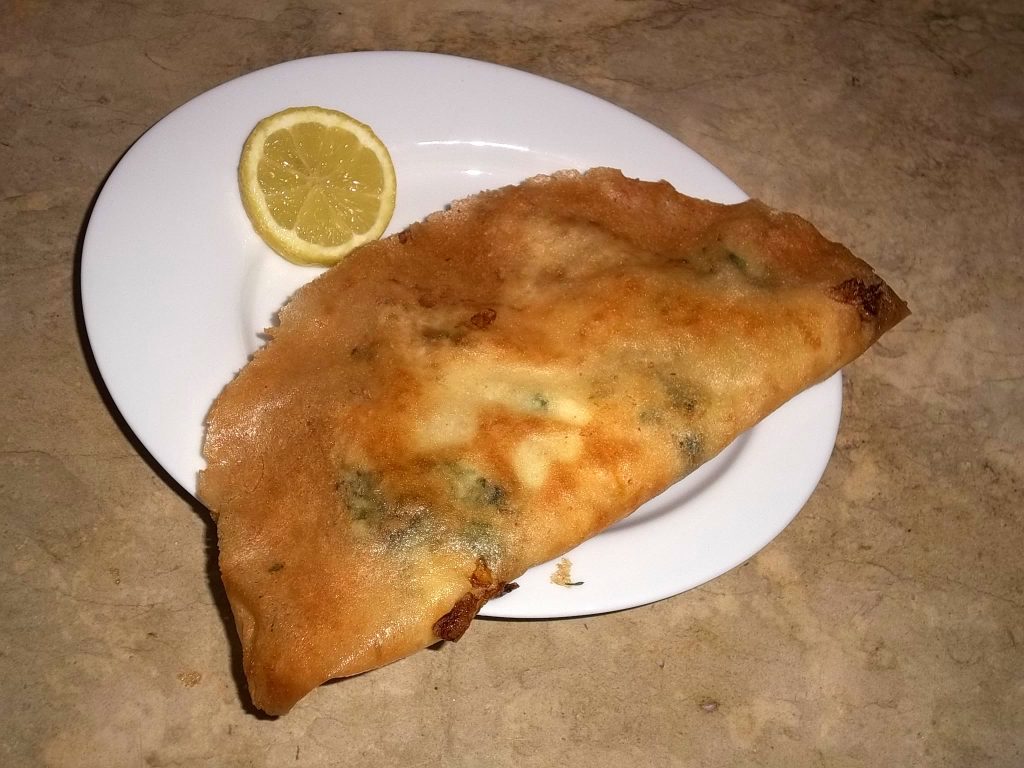
Discover Tunisia’s Food
Top Grub: Couscous. A staple of steamed semolina grains served with vegetables and often meat or fish, with regional styles and family traditions. Tunisia participates in the multinational UNESCO inscription of couscous knowledge and practices.
Try This Grub: Brik. Thin pastry often folded around egg, tuna, parsley or other fillings and fried until crisp.
Another signature: Harissa. A chili paste with deep roots in Tunisian cooking; UNESCO recognized Tunisia’s harissa-related knowledge and practices as intangible cultural heritage.
Popular beverages. Mint tea, coffee and citronnade (lemon drink).
Where to Grub
Seek independently run local eateries, food markets and community recommendations to understand regional cooking. Confirm opening hours and dietary ingredients before visiting; we have not presented unverified restaurants as personally reviewed establishments.
Sports and Local Identity
The Tunisian men’s football team, the Eagles of Carthage, has represented the country at multiple FIFA World Cups. Tennis player Ons Jabeur has drawn international attention, while swimmer Oussama Mellouli won Olympic titles. Sport offers a window into the country’s public life as readily as its markets and monuments.
The GrubPassport Cultural Discovery
A spoonful of harissa can tell you as much about family taste and local customs as a monument tells you about ancient history. Tunisia’s food traditions vary from coastal fish dishes to inland preparations; treating the country as one uniform menu would miss much of its appeal.
The GrubPassport Question: Would your Tunisia visit begin with brik in a Tunis café, a walk through Sidi Bou Said or a football match?
Photo credits: Main landmark: Sidi Bou Said coastal panorama — Brahim Guedich (Unsplash). Food gallery: Tunisian chicken couscous — Habib M’henni, Wikimedia Commons, CC BY-SA 3.0; Tunisian brik — Meriemou, Wikimedia Commons, CC BY-SA. Review source file licenses before reusing.
Research sources: UNESCO Tunisia heritage · UNESCO harissa · World Bank Tunisia · Tunisia tourism.
Editorial disclosure: This is a researched cultural and travel profile, not a firsthand report. Facts, routes, and venues may change; always check local conditions. Images are sourced from Unsplash and credited above.