Sri Lanka
Sri Lanka brings together Indian Ocean beaches, tea-growing highlands, ancient kingdoms and food that is boldly fragrant rather than simply hot. A day might begin with a hopper, continue through the landscapes around Sigiriya and finish with a cricket conversation over rice and curry. Sinhala and Tamil cultures, along with other communities, have shaped the island’s rich traditions.
Key Facts
Travel Info
Administrative capital: Sri Jayawardenepura Kotte; Colombo is the main commercial center.
Location: Island nation in the Indian Ocean, south of India.
Climate: Tropical, with different monsoon patterns across the island; the best weather depends on which coast or region you visit.
Main airport: Bandaranaike International Airport (CMB), near Colombo.
Major attractions: Sigiriya Rock Fortress, the Sacred City of Kandy, Galle Fort, Anuradhapura and central highland tea country.
Practical note: Check regional weather, entrance rules, rail schedules and current official travel information.
Cultural Info
Common greetings: Ayubowan (Sinhala) and Vanakkam (Tamil) are traditional greetings.
Official languages: Sinhala and Tamil; English is also widely used as a link language.
Sports: Cricket is particularly popular; volleyball is the national sport.
Notable athletes: Muttiah Muralitharan (cricket), Kumar Sangakkara (cricket), Susanthika Jayasinghe (athletics).
Cultural highlights: Buddhist heritage, Tamil traditions, tea cultivation and regional arts.
Currency: Sri Lankan rupee (LKR).
Economic Info
Economic sectors: Services, garment manufacturing, agriculture, tourism and remittances are important.
Exports: Tea, apparel and other manufactured goods are notable exports; rankings vary.
Population and GDP: Use the latest dated World Bank Sri Lanka data before publication.
Data changes over time; verify publication-year statistics and travel regulations before posting.
Discover Sri Lanka’s Food
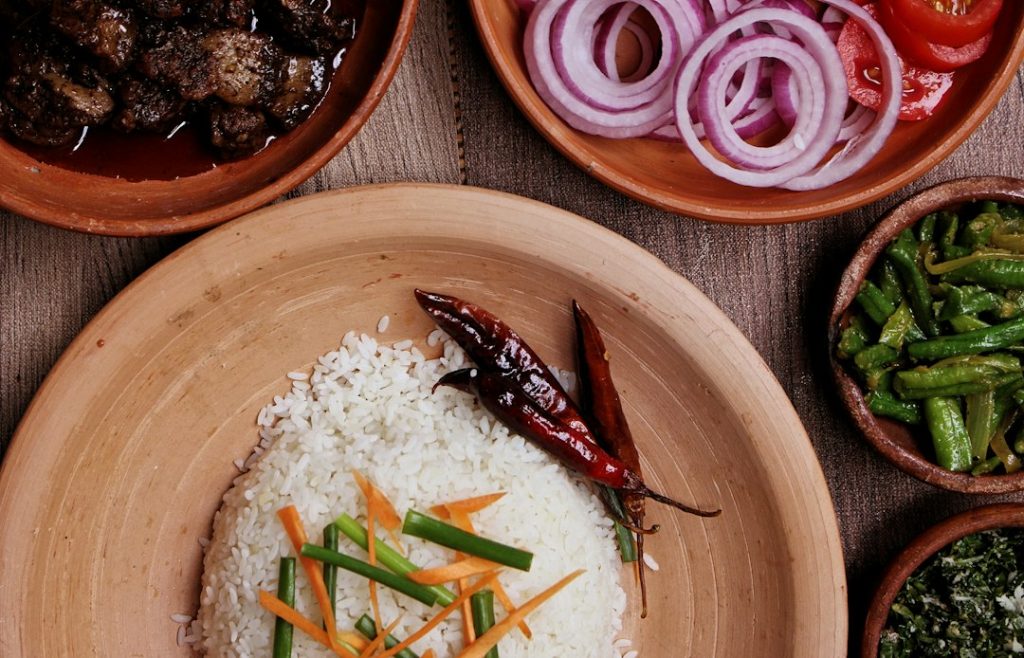
Top Grub: Rice and Curry. A meal of rice served with vegetable preparations, dhal, sambols and sometimes fish or meat. The combinations change across households and regions.
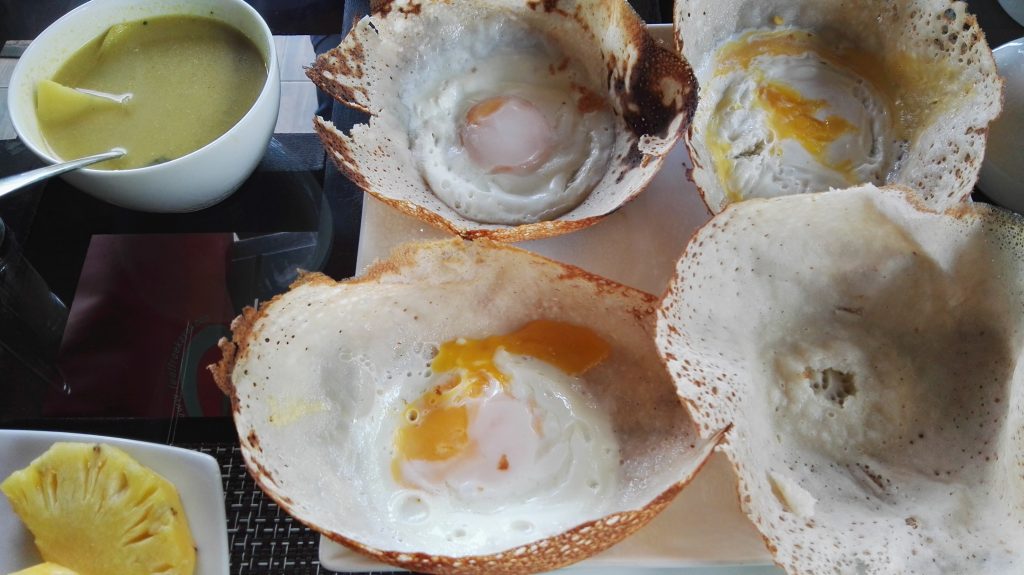
Try This Grub: Hoppers (Appa). Bowl-shaped fermented-rice-flour pancakes, sometimes served with an egg in the center and accompanied by sambol.
More to taste. Kottu roti—chopped flatbread stir-fried with vegetables and often egg or meat—and string hoppers with curry.
Popular beverages. Ceylon tea and fresh king coconut water.
Where to Grub
Seek independently run local eateries, food markets and community recommendations to understand regional cooking. Confirm opening hours and dietary ingredients before visiting; we have not presented unverified restaurants as personally reviewed establishments.
Sports and Local Identity
Sri Lanka won the men’s Cricket World Cup in 1996, a moment of national sporting pride. Cricket matches are often opportunities for communities and generations to come together. The island’s sporting life also includes volleyball, athletics and regional traditions.
The GrubPassport Cultural Discovery
The bowl-shaped hopper is a miniature story of Sri Lanka. Its crisp edges and soft middle pair with curries and sambols that can vary enormously from one cook to another. A traveler who asks how locals eat hoppers may learn as much as one who memorizes a list of monuments.
The GrubPassport Question: Would your Sri Lanka day begin with egg hoppers, a tea-country train journey, or an afternoon of cricket?
Photo credits: Main landmark: aerial view of Sigiriya — Dylan Shaw (Unsplash). Food gallery: Sri Lankan egg hoppers — Z Thomas (Wikimedia Commons, CC BY-SA 3.0); Sri Lankan rice and curry — Nilantha Sanjeewa (Unsplash).
Research sources: UNESCO Sri Lanka sites · Sri Lanka Tourism · World Bank Sri Lanka · Sri Lanka Cricket.
Editorial disclosure: This is a researched cultural and travel profile, not a firsthand report. Facts, routes, and venues may change; always check local conditions. Images are sourced from Unsplash and credited above.